01482 222421


Protect high-temperature metal surfaces with SPO Heat Resistant Black Paint – a specialist heat-resistant enamel that withstands temperatures up to...
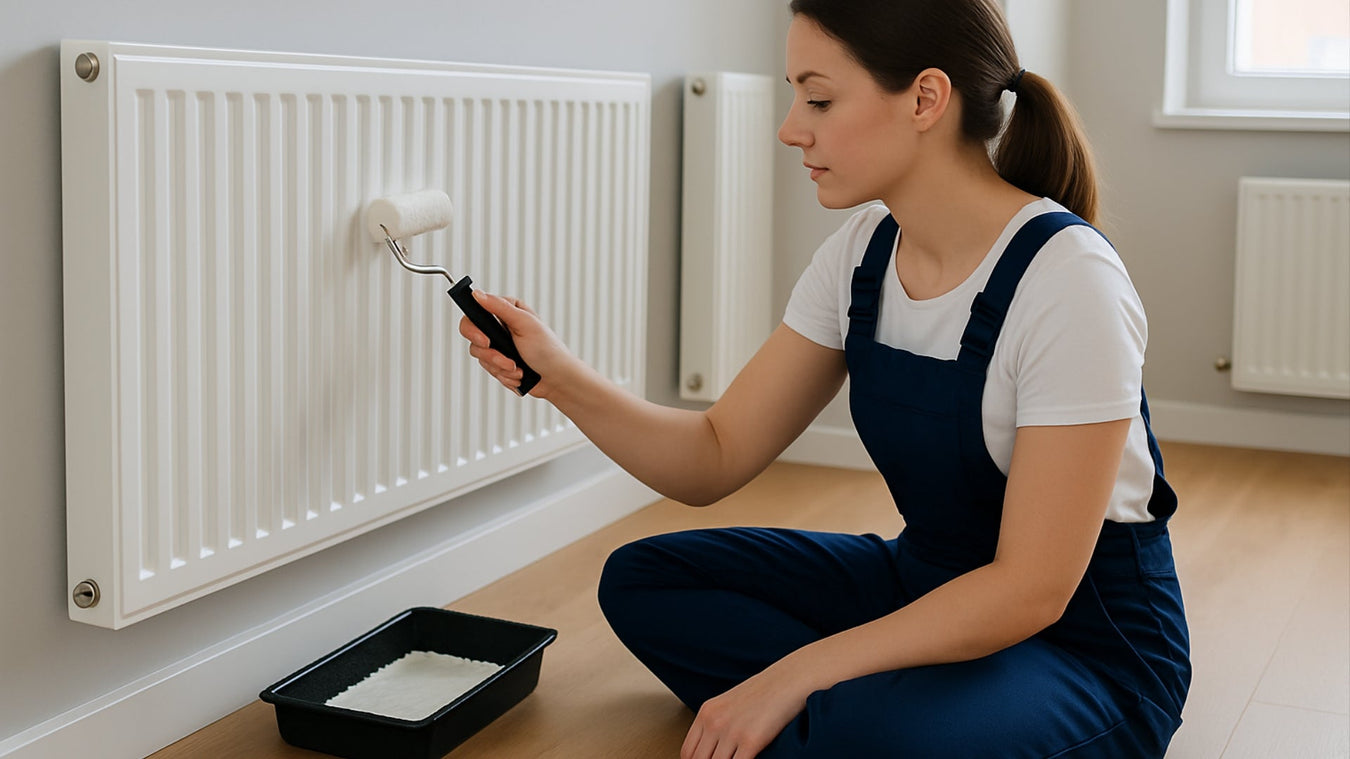
View full detailsRefresh and protect radiators with SPO Radiator Paint – a heat-resistant, water-based radiator enamel that withstands regular heat cycling up to 70...
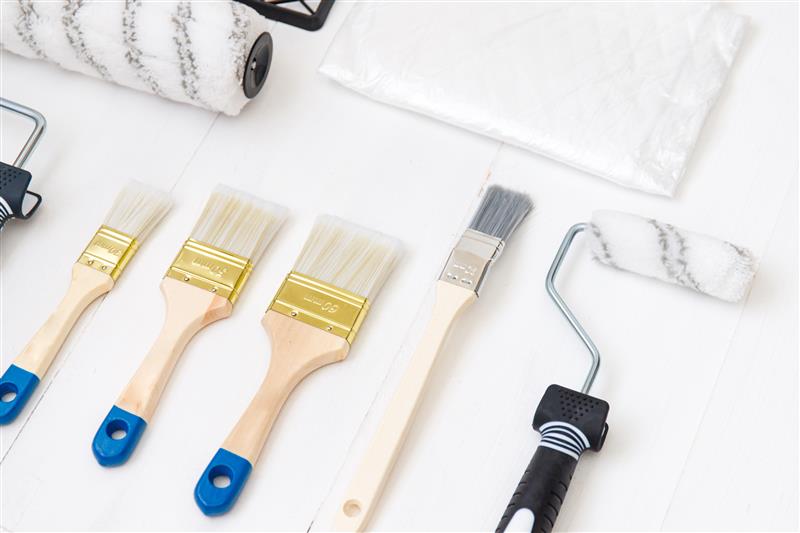
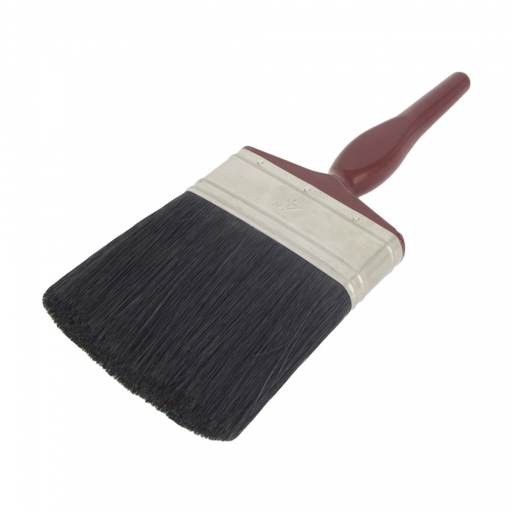
View full detailsA high-quality 3" paint brush designed to deliver smooth, even paint application with excellent control, making it ideal for professional and DIY p...
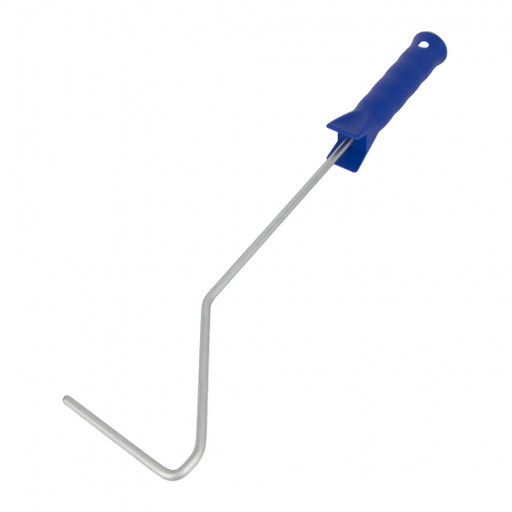
View full detailsA specialist radiator roller frame designed to reach behind radiators and into tight spaces, allowing smooth, even paint application where standard...
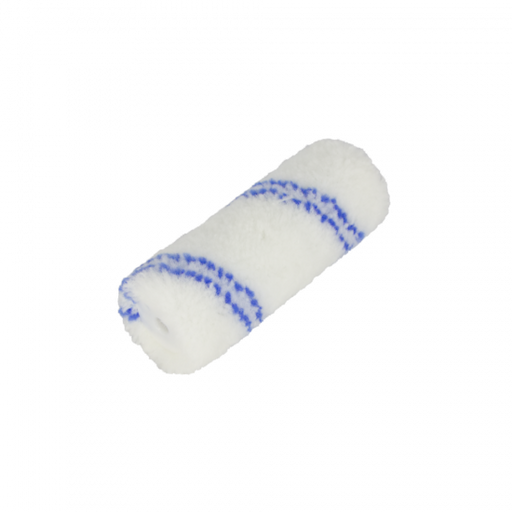
View full detailsA 4" short pile radiator roller sleeve designed for smooth, even paint application in tight and hard-to-reach areas, making it ideal for radiators ...
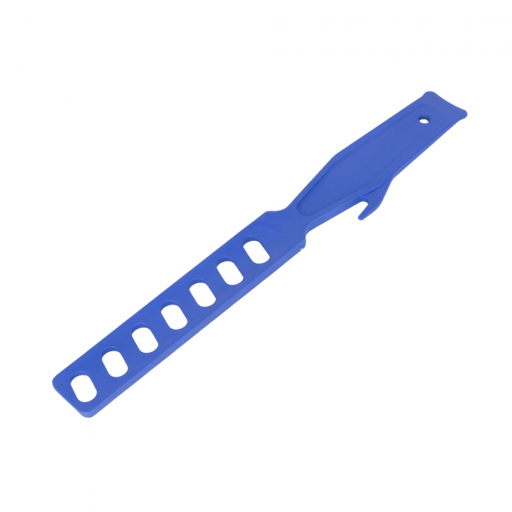
View full detailsA lightweight, reusable hand stirrer designed for manual mixing of paints, varnishes, and liquid coatings, helping achieve smooth, consistent blend...
View full details