01482 222421


Coo-Var Glocote Fluorescent Paint is a highly visible solvent-based fluorescent paint for use in daylight and under artificial light at night. Idea...
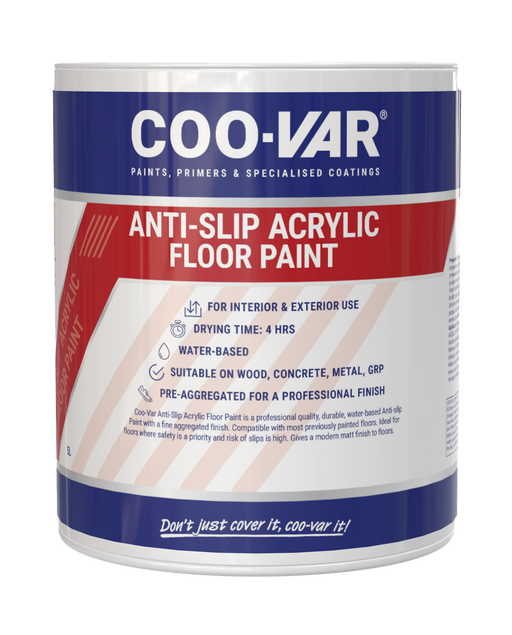
View full detailsBoost safety and reduce slip risks with Coo-Var Anti-Slip Acrylic Floor Paint, a water-based low-odour anti-slip floor paint with fine aggregated t...
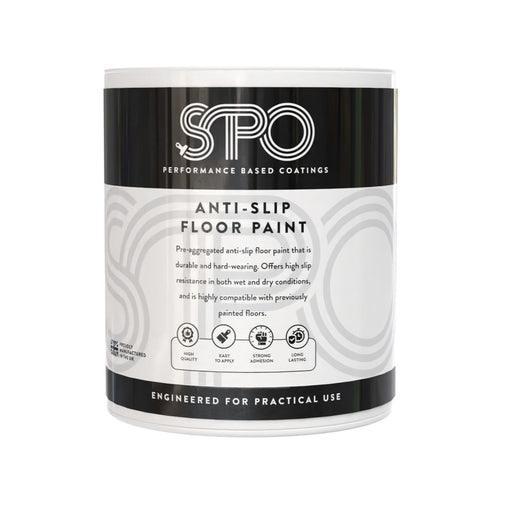
View full detailsReduce slip risk with SPO Anti-Slip Floor Paint – a durable, textured anti-slip coating that provides instant grip on concrete, wood, metal, and GR...
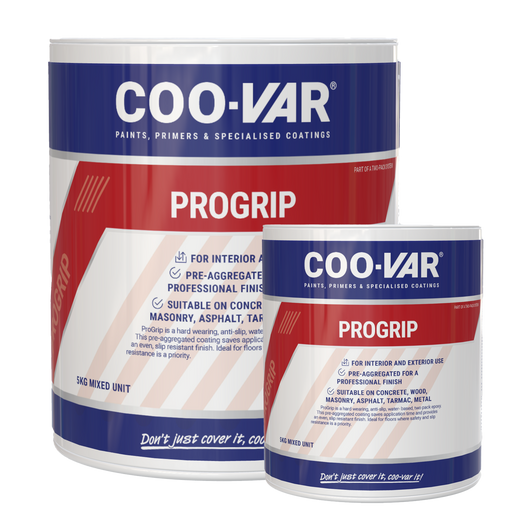
View full detailsCreate safe anti-slip floors with Coo-Var Progrip, a water-based 2-pack anti-slip epoxy floor paint with pre-mixed aggregate that provides PTV-rate...
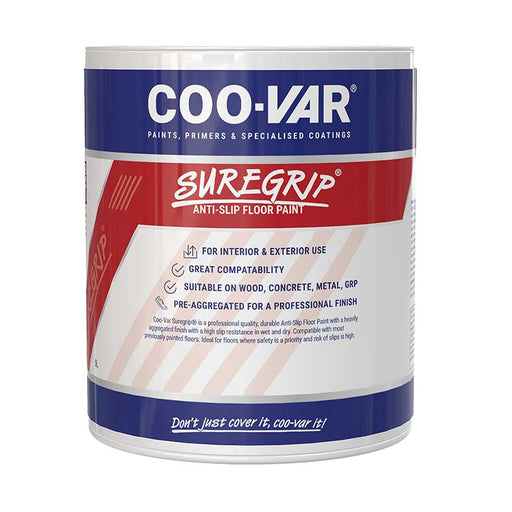
View full detailsPrevent slips and trips with Coo-Var Suregrip Anti-Slip Floor Paint, a pre-aggregated safety coating for concrete, wood, metal, and GRP that provid...
View full detailsCoo-Var Glocote Fluorescent Foundation is a high-density white base coat essential for Coo-Var Glocote Fluorescent Paint to function correctly. It ...
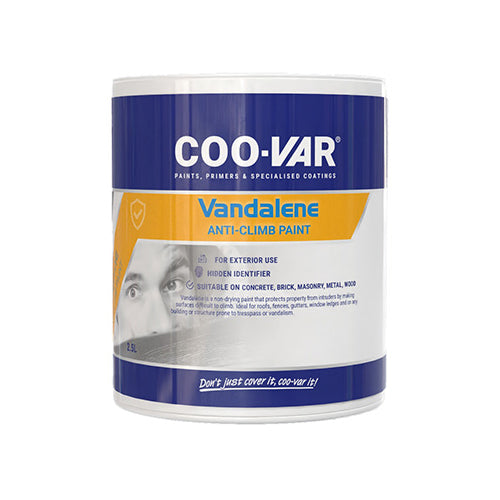
View full detailsDeter intruders and protect your property with Coo-Var Vandalene Anti-Climb Paint, a thick, single-pack, permanently tacky non-drying security coat...
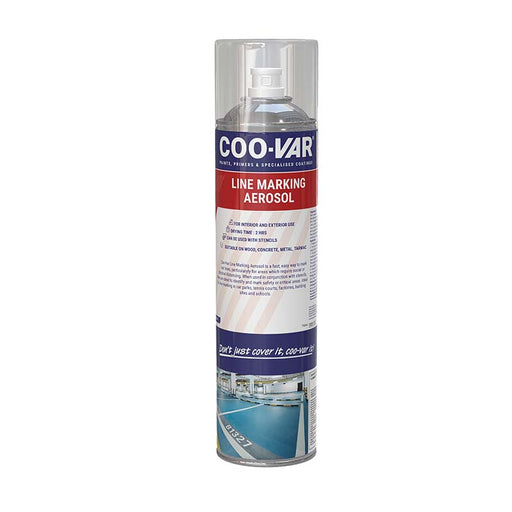
View full detailsMark crisp, professional lines fast with Coo-Var Line Marking Aerosol, a solvent-based aerosol line marking paint that sprays sharp, durable lines ...
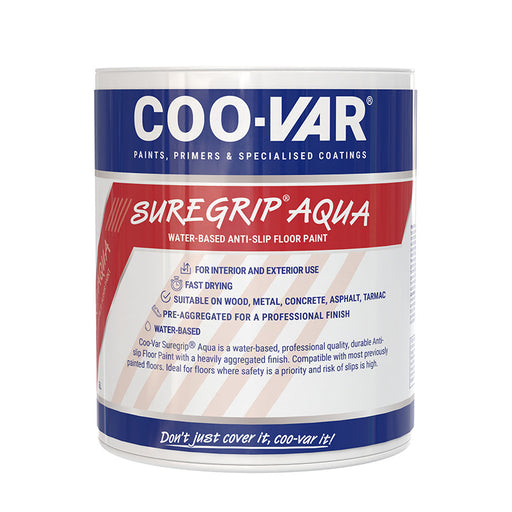
View full detailsCreate safer floors and walkways with Coo-Var Suregrip Aqua – a low-odour water-based anti-slip floor paint with ready-mixed aggregate that provide...
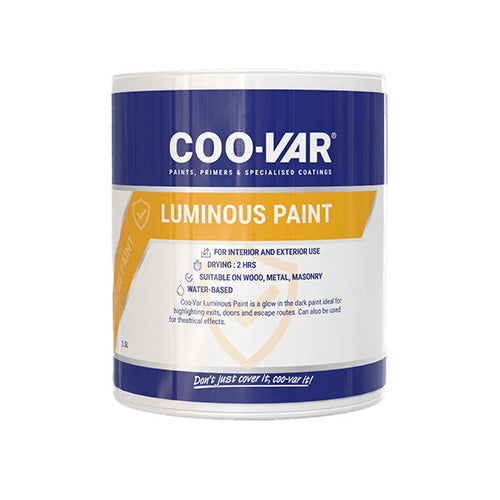
View full detailsCoo-Var Luminous Paint glows in the dark after exposure to light, fading gradually over time. Water-based, low odour and non-flammable, it is used ...
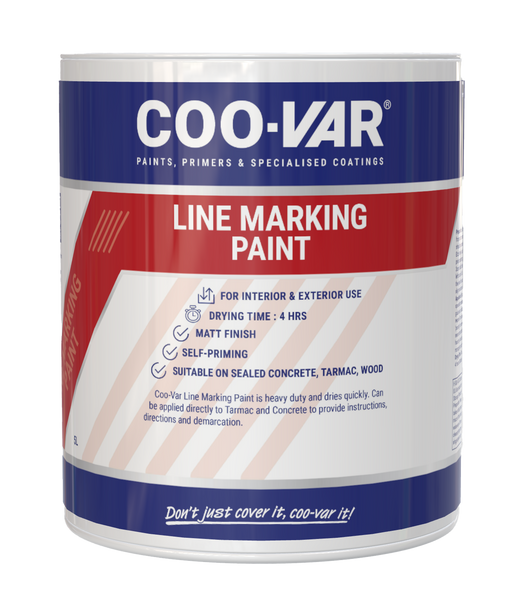
View full detailsCoo-Var Line Marking Paint lays crisp, high-visibility lines on concrete, tarmac and timber, no primer needed on most surfaces. Fast-drying and low...
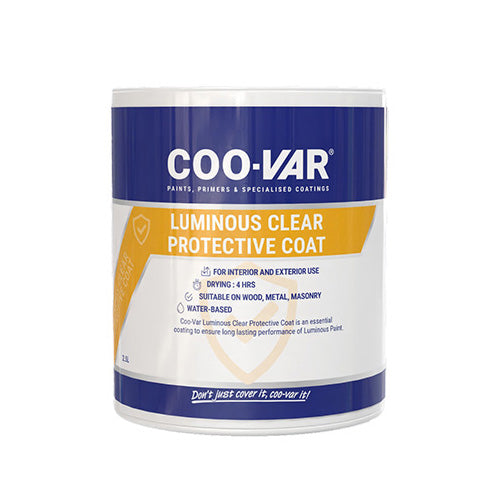
View full detailsCoo-Var Luminous Paint Clear Protective Coat is a clear gloss coating essential to protect Coo-Var Luminous Paint against wear. It seals and protec...
View full detailsRustins G-Shield is a water-based, solvent-free electro-smog shielding paint formulated to provide reliable protection from high-frequency electrom...
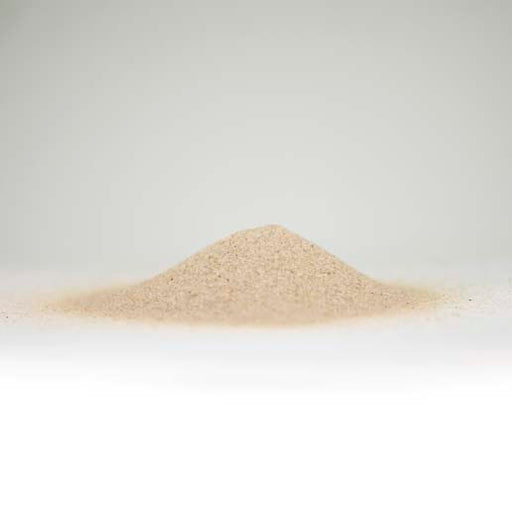
View full detailsTransform floor paint into a high-traction, slip-resistant surface with SPO Anti-Slip Aggregate, a VOC-free mineral aggregate additive that scatter...
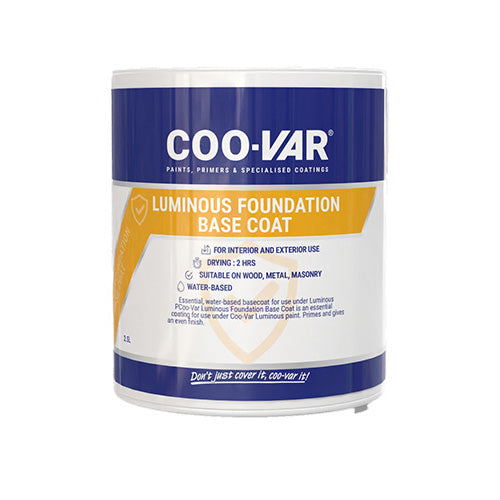
View full detailsCoo-Var Luminous Foundation Base Coat is a water-based, low-odour white base coat designed for use under Coo-Var Luminous Paint. It provides the es...
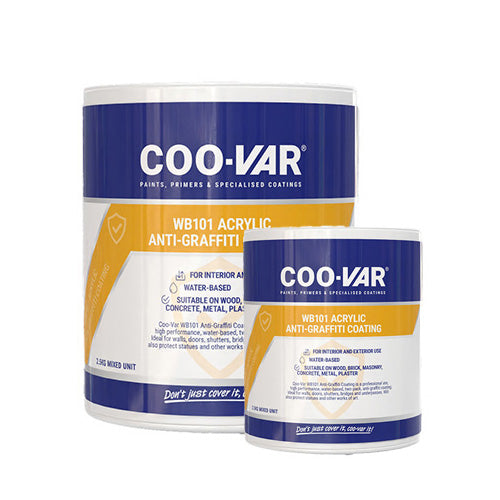
View full detailsCoo-Var WB101 is a water-based, two-pack polyurethane anti-graffiti coating for interior and exterior use. Low odour and fast drying, it cures to a...
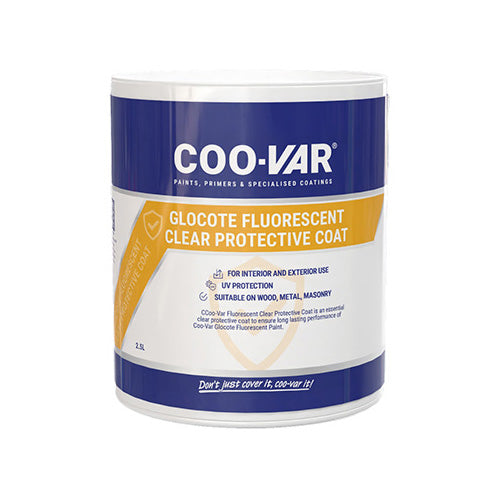
View full detailsCoo-Var Glocote Protective is a clear gloss coating used to protect the exterior performance and prolong the colour retention of Coo-Var Glocote Fl...
View full detailsCoo-Var GP101 is a clear gloss anti-graffiti and flyposting protection coating that can be used on a wide range of clean, prepared rough or smooth ...
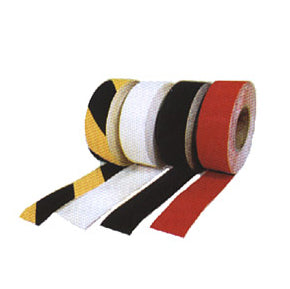
View full detailsA heavy-duty anti-slip tape designed to instantly improve traction on steps, ramps, walkways, and wet areas, with a clear waterproof option ideal f...
View full detailsClearly indicate the presence of anti-climb paint and deter unauthorised access with the Coo-Var Anti-Climb Paint Warning Sign, a high-visibility, ...
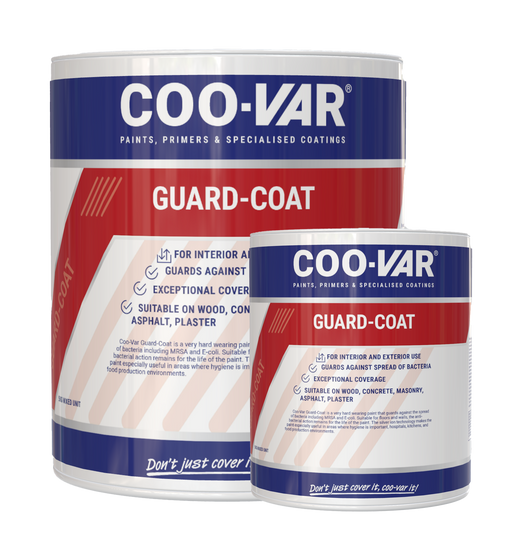
View full detailsCoo-Var Guardcoat is an antibacterial two-pack epoxy floor and wall paint that inhibits the growth of bacteria using silver ion technology. Excepti...
View full detailsProtect surfaces from graffiti with Coo-Var P101 PU Anti-Graffiti Coating, the ultimate two-pack aliphatic polyurethane anti-graffiti coating that ...
View full detailsCoo-Var Sealer Coat for GP101 is a clear, water-based transparent sealer required before applying GP101 Graffiti Protection System over porous surf...
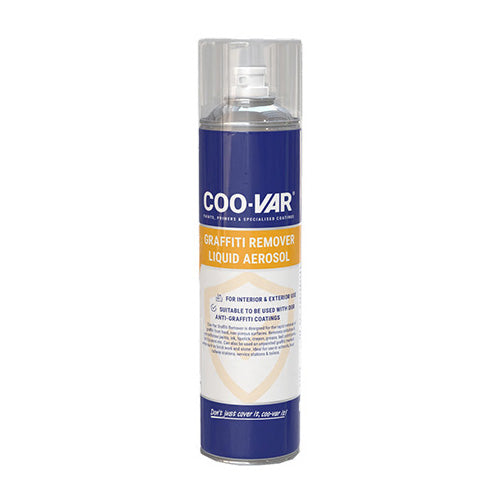
View full detailsCoo-Var Graffiti Remover Spray is a fast-acting aerosol cleaner designed to remove graffiti, spray paint, ink and crayon from hard, non-porous surf...
View full details